Recent public testimony on proposed Senate Bill 04 and news articles about Electronic Shelf Labels (ESLs) in grocery stores highlighted a concerning gap between perception and reality. As affordability remains a top priority for families across our state, it’s essential that policy discussions are based on facts, not misinformation.
Let’s clear up the biggest misconception: that Connecticut grocery stores are using ESL technology for surveillance, price discrimination, or biometric tracking. That simply isn’t happening. No grocery store in Connecticut is using ESLs to target individual shoppers, nor are they considering it. Across our state, many stores use these innovative labels to display clear, consistent prices, not to track or discriminate against their customers.
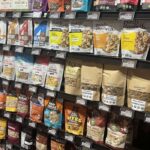
Electronic Shelf Labels are exactly what the name suggests: digital shelf tags that show the same price to every customer in front of the shelf. They do not alter the price for one shopper compared to another. The price displayed on the shelf matches the price customers pay at the register, with no exceptions.
False claims that this technology secretly manipulates prices throughout the day misrepresent how grocery pricing works. Grocery retailers set prices through standard category management and promotional planning processes that happen well in advance. Promotions are scheduled, advertised, and applied consistently for all shoppers. ESLs simply ensure that when those pre-planned price changes happen, they are implemented accurately and simultaneously across the store.
They provide significant environmental and operational advantages. A typical supermarket might replace tens of thousands of paper shelf tags every week. Switching to digital shelf labels greatly reduces paper waste, printing, and transportation associated with traditional shelf tags. This reduction in paper use offers a clear and meaningful environmental benefit.
The fact is that digital technology enhances one of the most important protections consumers depend on: price accuracy. Connecticut enforces strict pricing laws through the Department of Consumer Protection’s Weights and Measures Division, and compliance is mandatory. In a typical supermarket with a wide variety of products and frequent price changes, ESLs remove the risk of human error entirely. By updating prices in real time and uniformly, ESLs ensure shoppers can trust that the shelf price matches the checkout price.
At the end of the day, anyone shopping in a grocery store deserves confidence that the price on the tag is the price they pay. Electronic Shelf Labels deliver exactly that more accurately, consistently, and transparently.
Food retailers and policy makers alike share a commitment to protecting consumers. However, good policy requires a clear understanding of how ESLs are actually being used, not speculation about what they might become. The real risk isn’t this technology; it’s policies that increase costs for businesses and the families who can least afford it.
Original article found on CT NewsJunkie